

Are you serious? You can live, own a business, or invest inside an incorporated Burke County town and still have another town’s name in your mailing address. Even a Town Hall can have another town listed in its address.
For a small town, this is an identity issue.
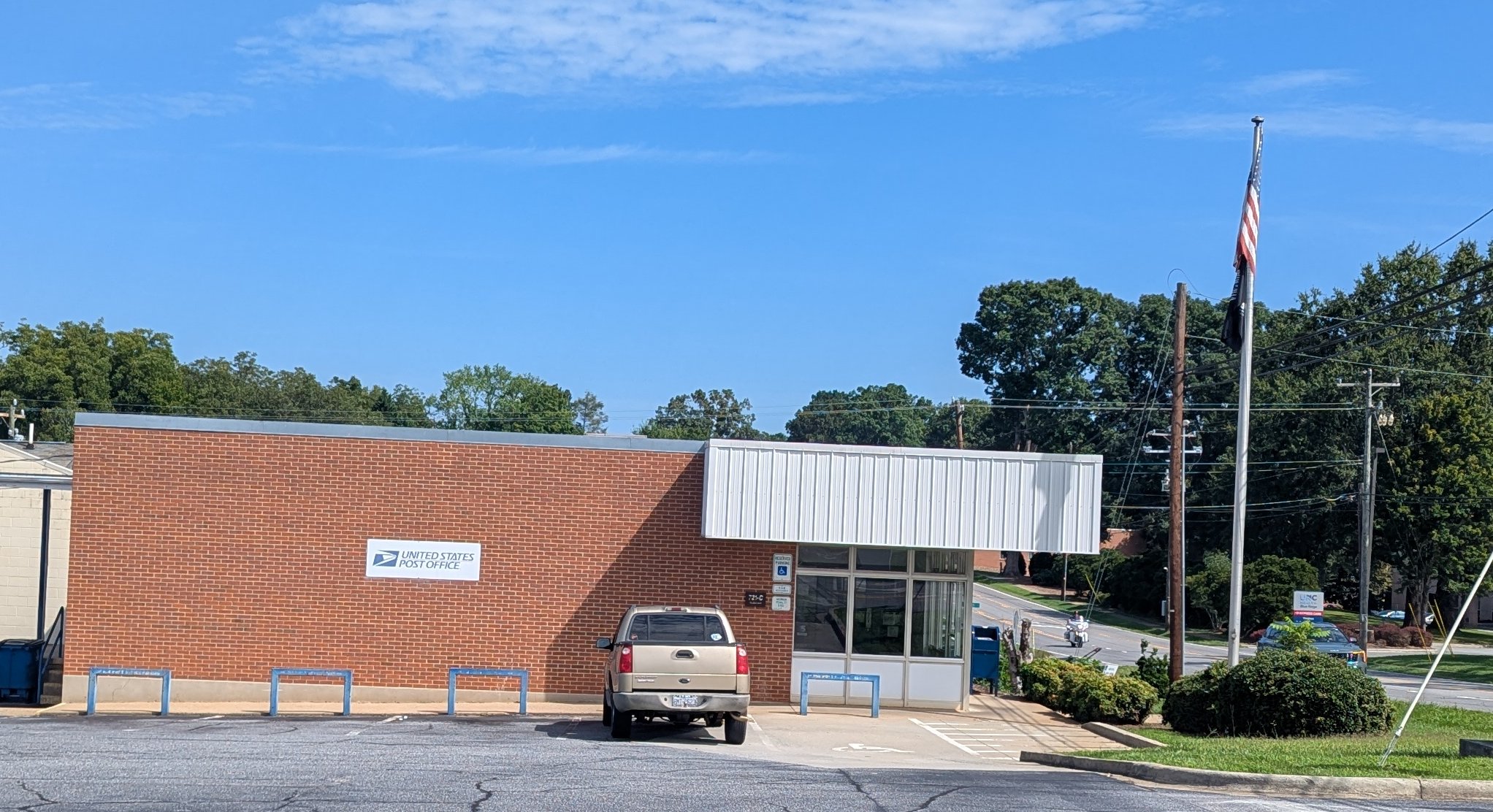
An address does more than tell someone where to deliver a package. It tells customers where a business is located. It tells visitors what town they are visiting. It tells prospective employers and investors where development is happening. Over time, it helps define a community’s identity — both to the people who live there and to the outside world.
In Rutherford College, Rhodhiss, Drexel and Glen Alpine, Town Halls, downtown businesses, parks, major redevelopment sites and industrial properties can all carry the mailing name of another community. A town can be doing everything right — investing in its downtown, recruiting businesses, creating parks and attracting development — and still have those successes publicly identified with somewhere else.
For Burke County’s small towns, that is not a minor technicality. A single incorporated town can essentially disappear behind several different mailing-city names.
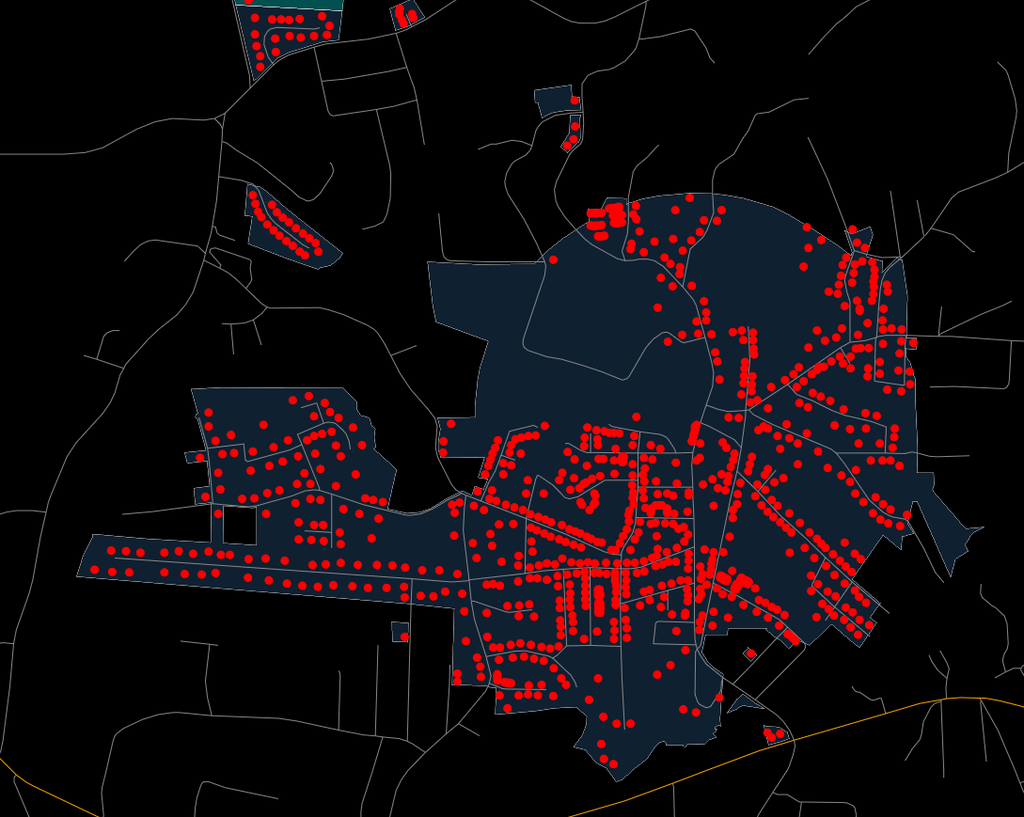
The scope of the problem becomes much clearer when you see it geographically. Using Burke County GIS address data and municipal boundaries, we mapped addresses located within the affected incorporated towns that are identified with another mailing city. What looks like an occasional addressing quirk is actually widespread across these communities. (Each red dot represents an address in a town limit using a different town’s name for address)
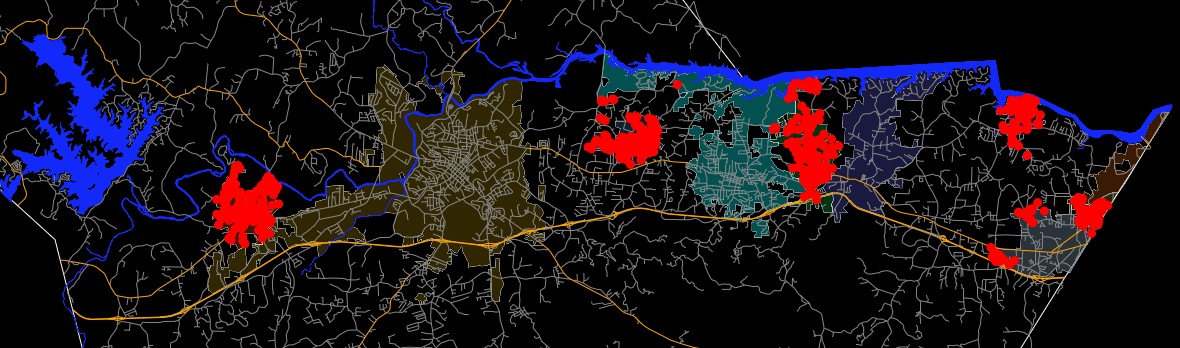
| Burke Town | Glen Alpine | Drexel | Rutherford College | Rhodhiss |
| # Addresses in Town Limits with another Town Name | 861 | 886 | 749 | 523 |
There are 152 addresses in Hildebran, 393 addresses in Long View and 134 addresses in Valdese assigned to another town. BRTA’s current effort is focused on Rutherford College, Rhodhiss, Drexel and Glen Alpine because those communities have actively raised concerns and sought help with the issue.
Rutherford College: Which Town Hall?
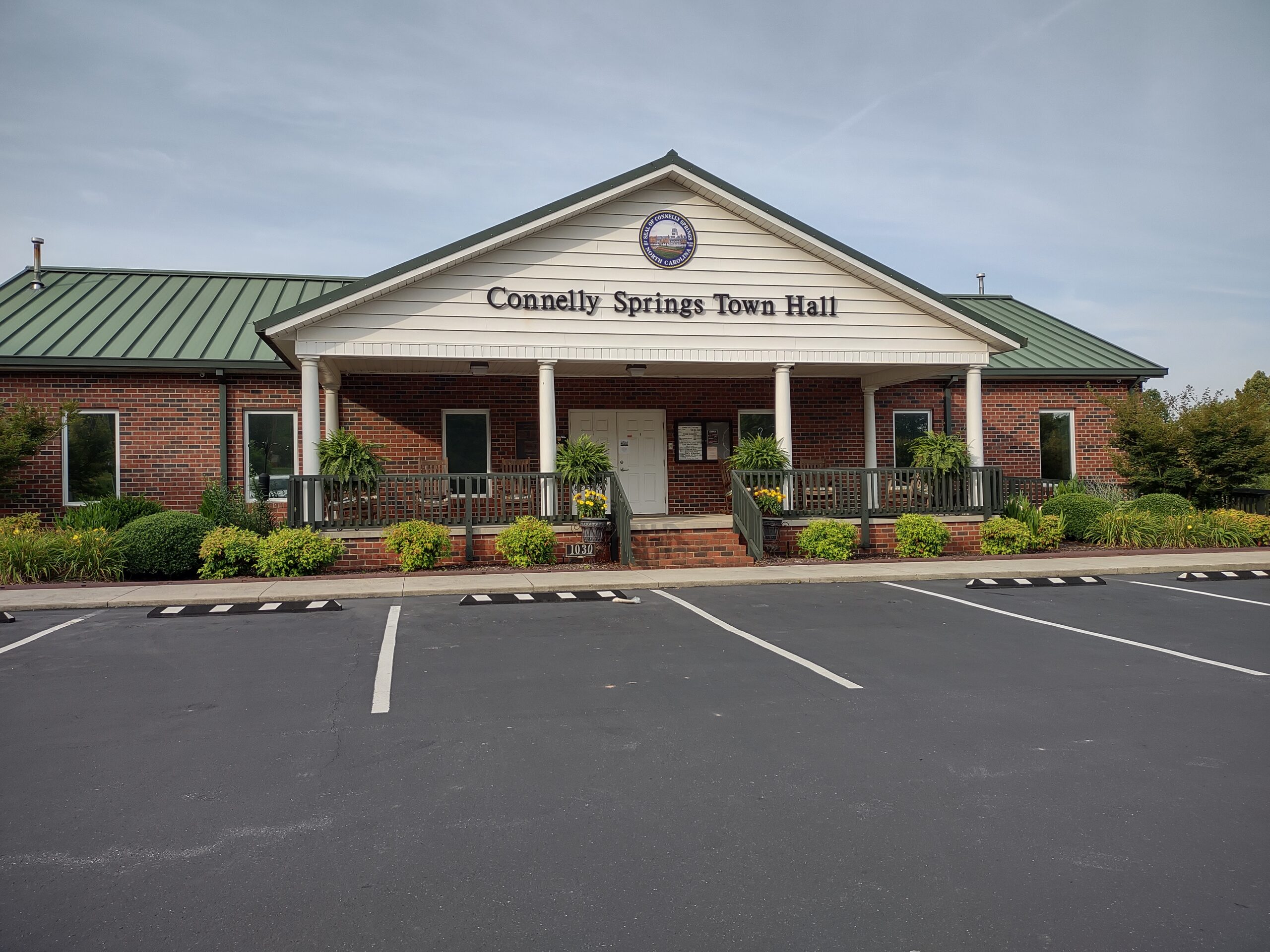
Consider Rutherford College, where even the Town Hall illustrates the problem. Rutherford College Town Hall is physically located in the Town of Rutherford College, but its mailing address says Connelly Springs. Just 2 miles away, the Town of Connelly Springs has its own Town Hall — also, of course, with a Connelly Springs address.
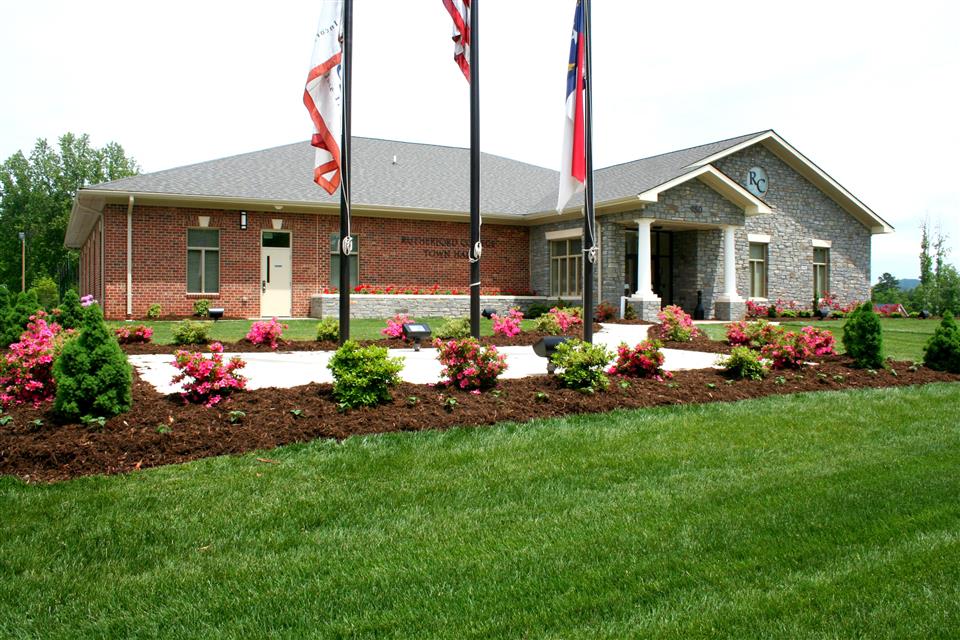
That creates real confusion. Rutherford College rents its Town Hall for birthday parties and other gatherings, and attendees sometimes have difficulty figuring out which “town hall in Connelly Springs” they are supposed to go to — the Rutherford College Town Hall or the Connelly Springs Town Hall.
| No Longer Valid | Current & Confusing | Current – 2 Miles Away |
| Rutherford College Town Hall 980 Malcolm Blvd. Rutherford College, NC 28671 | Rutherford College Town Hall 980 Malcolm Blvd. Connelly Springs, NC 28612 | Connelly Springs Town Hall 1030 US-70 Connelly Springs, NC 28612 |
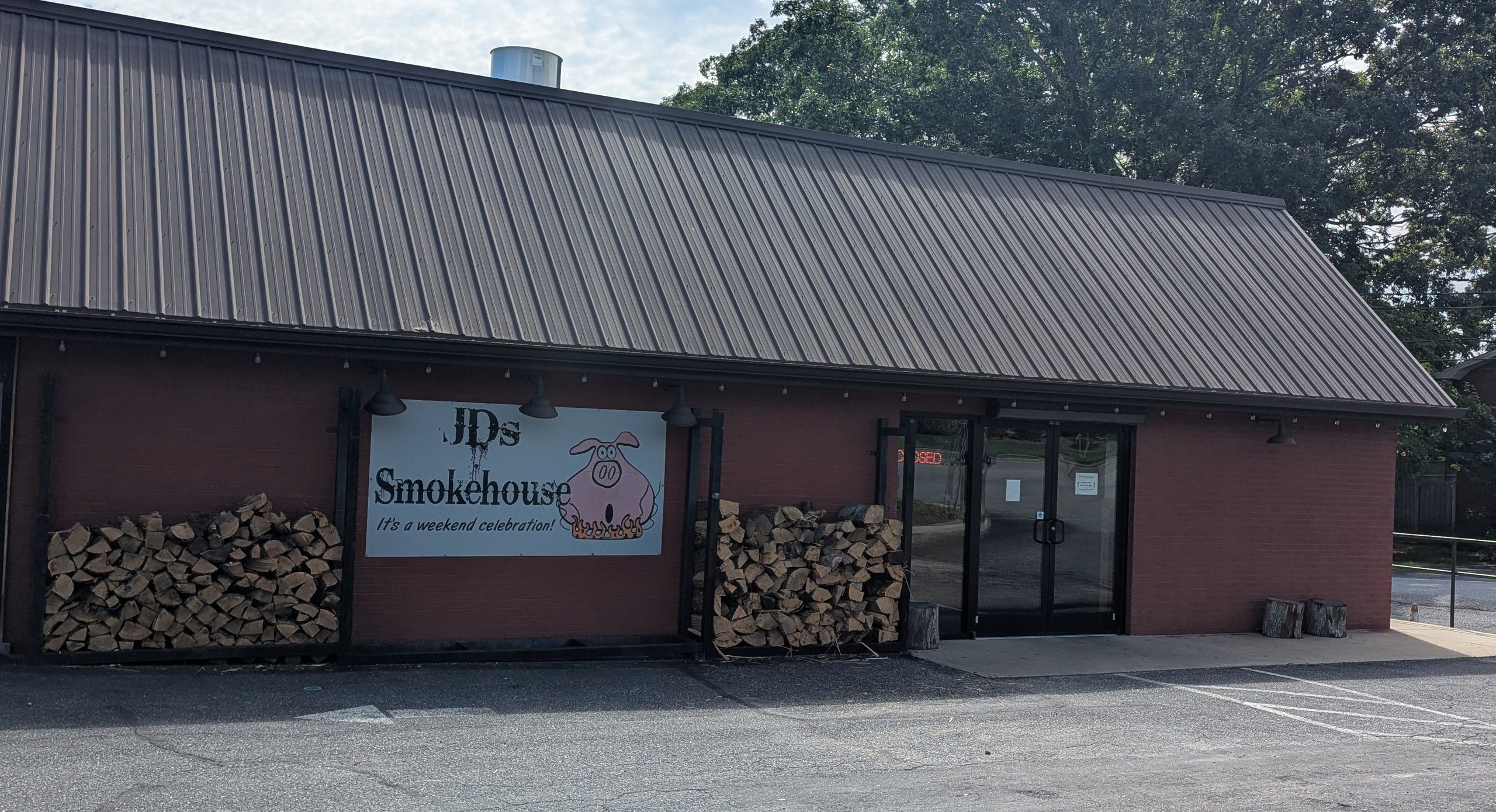
Businesses along Malcolm Boulevard face the same identity issue. JD’s Smokehouse, one of Burke County’s best-known destination restaurants, is physically located in Rutherford College but carries a Connelly Springs address. When visitors search for the restaurant, share its location or tell others where they ate, Rutherford College can disappear from the story.
Town leaders have also raised the more serious concern of emergency response and 911 addressing. When the municipality someone is physically in does not match the community name attached to the address, what begins as an identity problem can become a public-safety issue as well.
There is even a potential voting-access concern. Rutherford College Town Hall serves as an early voting site, yet election information has at times listed its 980 Malcolm Boulevard location with a Connelly Springs address. For a voter simply trying to find an early voting location, there should be no unnecessary question about whether “Rutherford College Town Hall” is actually in Rutherford College or Connelly Springs. An address system that can already confuse people attending birthday parties and community events should not create another possible point of confusion when people are trying to vote.
Rhodhiss: Building a Downtown — With a Hickory Address
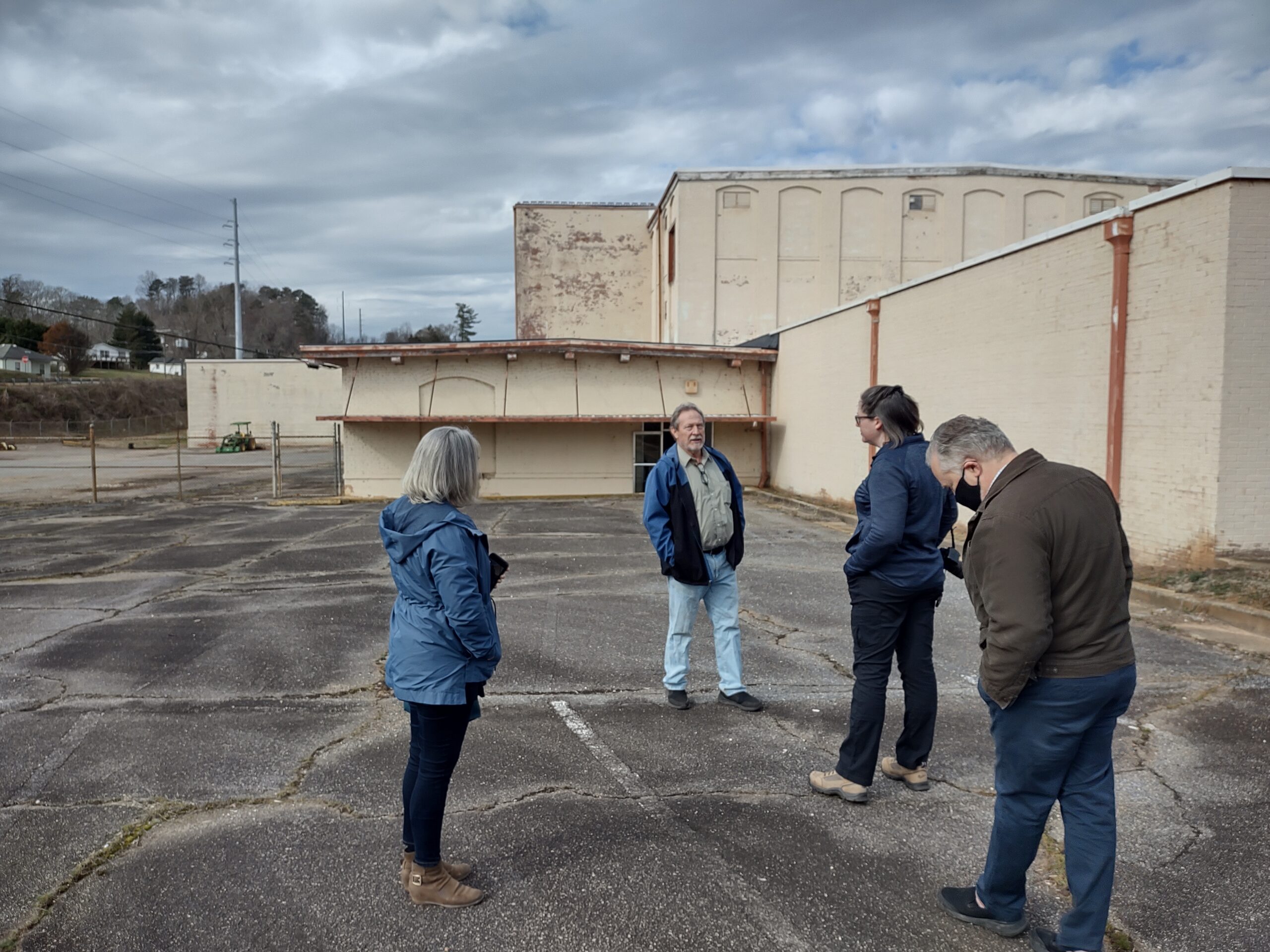
In Rhodhiss, the issue could have an even greater impact as the historic Old Glory Mill is redeveloped. Plans for the mill include approximately 100 apartments along with restaurant, retail and community space — a project that could essentially become a new downtown center for Rhodhiss. Yet the property currently carries a Hickory address. Rhodhiss could spend years helping bring one of the most significant redevelopment projects in its history to life, only to have the businesses, residents and visitors associated on paper with another city.
Drexel: Investment in Drexel, Addressed to Morganton
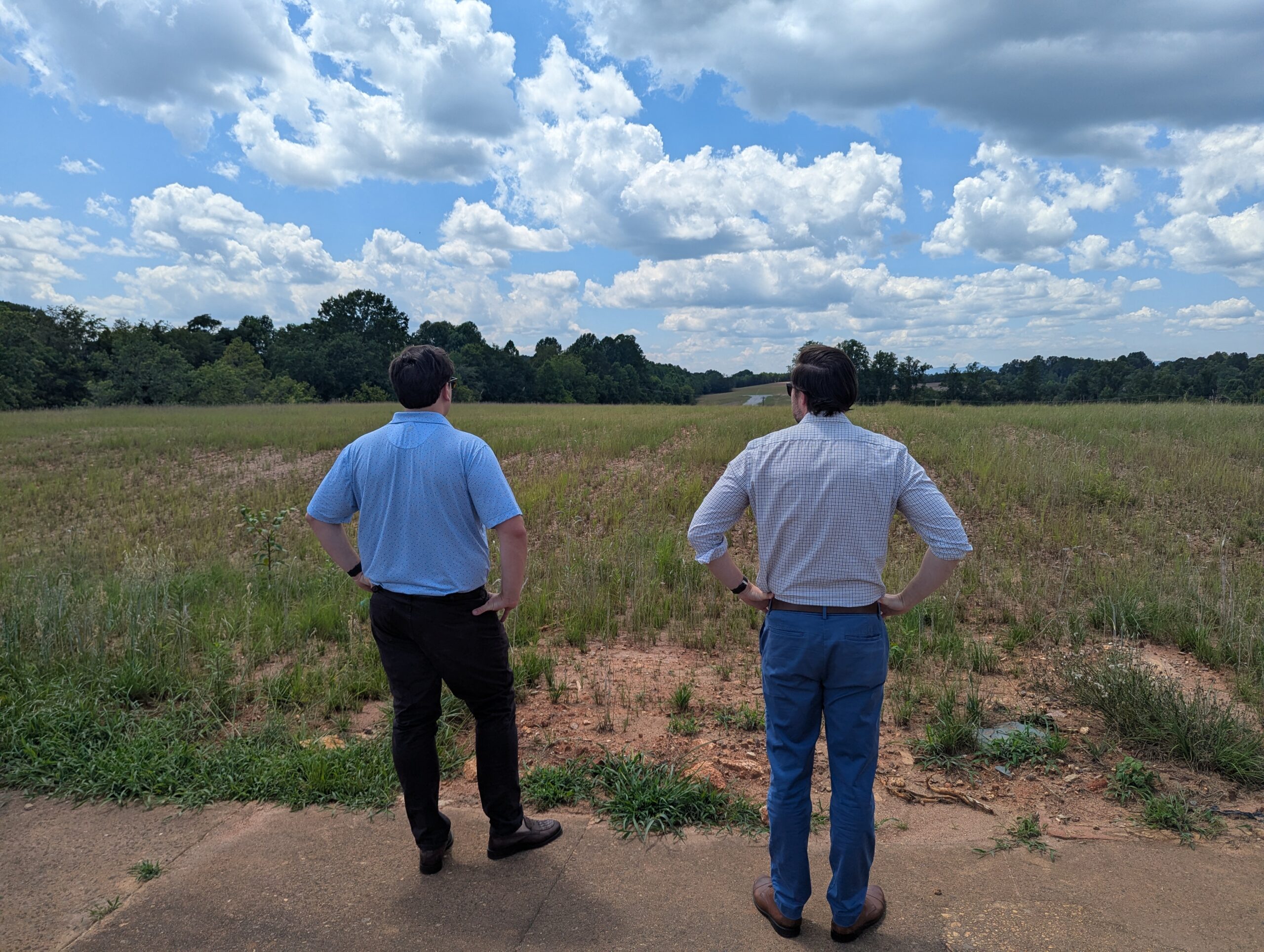
Drexel faces a similar economic development challenge. An approximately 100-acre industrial property near the heart of town is being marketed for future investment, but it carries a Morganton mailing address. If a new manufacturer or major employer locates there, the jobs and investment will be in Drexel, while the company’s public-facing address could identify it as Morganton. For a small municipality trying to attract investment and establish its place on the map, that lost visibility is significant.
The same issue exists along Drexel’s Main Street, where businesses physically located in downtown Drexel can carry Morganton mailing addresses.
While in Valdese, a developer was told, “We are going to Drexel, just put Hallyburton Academy in your GPS.” Along the way, he called, “All I can find is a Hallyburton Academy in Morganton.” Hallyburton Academy is on Main Street in Drexel.
Glen Alpine: When an Address Creates Real Problems
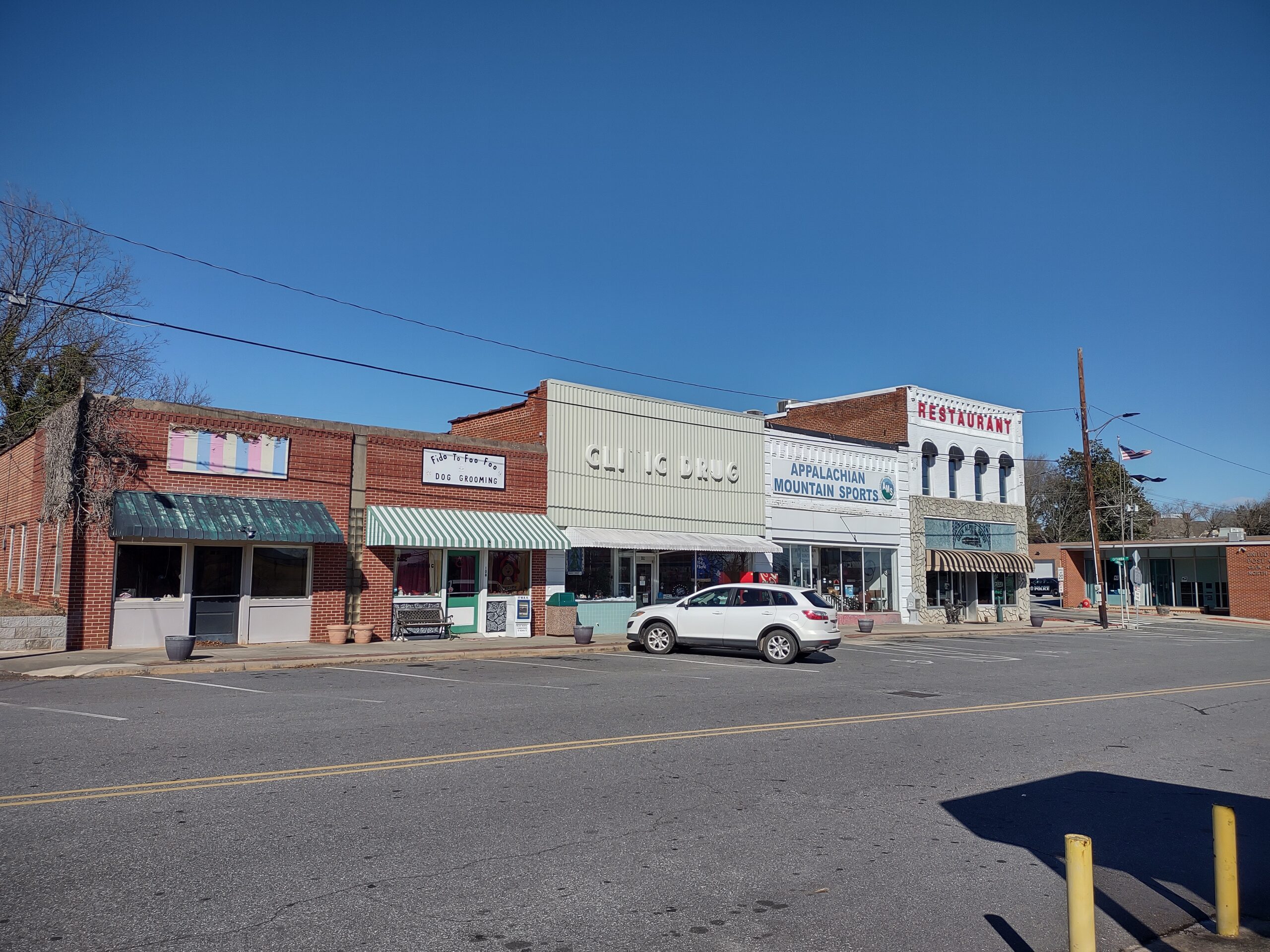
And in Glen Alpine, the consequences are already very real. The town is currently working with NC Commerce on a five-year strategic economic development plan, including efforts to strengthen its downtown. Yet businesses locating in downtown Glen Alpine will carry Morganton addresses. That means a business recruited specifically to help revitalize downtown Glen Alpine could end up advertising itself to customers as being in Morganton.
The address problem in Glen Alpine goes beyond branding. The News Herald has documented difficulties caused by having a Linville Street in both Glen Alpine and Morganton. Residents have reported packages being delivered to the wrong Linville Street, addresses being rejected by online systems and problems with official records. One resident reported being mistakenly charged City of Morganton vehicle property taxes, while a Glen Alpine pharmacy owner described shipments being returned because systems did not recognize his physical address. Some residents and businesses have resorted to paying for post office boxes simply to receive mail and packages reliably.
Lost Identity
These examples point to a larger issue. A town’s name is part of its identity — and for a small town, that identity has economic value. When a restaurant, major employer, downtown business, housing development or visitor destination carries the name of a larger neighboring community, the smaller town loses some of the recognition that comes with that investment. Over time, that affects how visitors, prospective businesses, residents and even online search engines understand where a community begins and what it has to offer.
If a town’s name is missing from the places that define the town, eventually the outside world stops seeing the town at all.
And the confusion is not always limited to one neighboring community. Depending on the location, Rhodhiss properties can carry Hickory, Lenoir or Granite Falls addresses. Drexel properties can carry Morganton or Valdese addresses, while Rutherford College properties can carry Connelly Springs, Valdese or Granite Falls addresses. A single incorporated town can essentially disappear behind several different mailing-city names.
| Town | Glen Alpine | Drexel | Rutherford College | Rhodhiss |
| Addresses Assigned to | Morganton | Morganton Valdese | Connelly Springs Valdese Granite Falls | Hickory Lenoir Granite Falls |
When another town’s name becomes normal on a community’s Town Hall, downtown, businesses and major investments, that community is giving away a piece of its identity.
There is also a long-term cost when new residents move into one of these towns. If someone buys a home physically located in Rhodhiss but is given a Hickory mailing address, Hickory may quickly become the community they identify as home. They tell friends and relatives in other states that they live in Hickory. They search for Hickory events, follow Hickory news and may never realize how much is happening in Rhodhiss. That is a real loss for a small town. Every new homeowner is an opportunity to gain a resident who identifies with the community, supports local events and businesses, volunteers, votes in municipal elections and takes pride in calling that town home. A mailing address should reinforce that connection, not quietly redirect it somewhere else.
A Path Forward
Local town leaders had already recognized the problem and sought federal help. Burke River Trail Association took up the issue across the four communities, recognizing immediately the potential impact on town identity, economic development and community pride, and continued pressing for a workable solution.
BRTA raised these concerns with Congressman Tim Moore, including during a Burke Chamber business roundtable and again during a meeting in Rhodhiss. Congressman Moore’s office asked BRTA to follow up with additional information and examples, particularly about the impact on town identity and economic development.
BRTA also contacted U.S. Senator Ted Budd’s office, which opened a case with the U.S. Postal Service. The response provided something we had been looking for — an actual path forward.
USPS advised that an incorporated town can submit a formal request concerning its mailing-city name. The Postal Service recognizes both an “Alternate Last Line,” which adds a city or town as an acceptable mailing name, and a “Preferred Last Line,” which changes the default city or town name for a defined range of addresses.
Each town must submit its own request, including the specific change it wants, the reason for the request, a complete list of affected addresses and a detailed map of the proposed area. USPS can then work with local officials to determine which ZIP+4 segments fall within the municipal boundaries and refine the mailing name associated with those addresses.
That means fixing this issue may not require changing ZIP Codes or postal delivery routes at all.
BRTA then went one step further and did the legwork needed to help the towns use that process. With GIS and data work by BRTA volunteer Eric Heile, BRTA developed maps and address lists for Rutherford College, Rhodhiss, Drexel and Glen Alpine identifying properties within each town that carry another community’s mailing name.
On September 8-9, BRTA delivered a ready-to-use packet to each of the four towns containing a printed map, the affected address list – with hundreds of addresses, and a draft request letter that can be placed on town letterhead. .
After months of asking questions and following the issue through multiple channels, the four towns now have both a potential solution and the materials needed to pursue it.
9/17/26 update: All 4 towns have mailed in their packets.
The Address Matters
If a home, Town Hall, park or business is physically located in Rutherford College, its address should be able to say Rutherford College. If it is in Rhodhiss, it should say Rhodhiss. The same should be true for Drexel and Glen Alpine.
Burke County’s communities are working hard to recruit investment, strengthen downtowns, preserve historic properties, support local businesses and create places where people want to live and visit.
Their names matter.
Their identities matter.
And their addresses should reflect where they actually are.
This Problem Is Not New
In 1990, the U.S. General Accounting Office testified before Congress about conflicts between postal and municipal boundaries. GAO documented many of the same concerns Burke County communities are experiencing today — emergency-service confusion, incorrect taxes and insurance impacts, and what it specifically described as a loss of community identity. Summary – Full Report
GAO also noted that USPS had already allowed some communities to use their municipality’s name in the mailing address without changing the ZIP Code or postal delivery system. More than three decades later, Burke County’s small towns are pursuing that same basic goal: keep the postal system working while allowing the address to identify the community where the property is actually located.