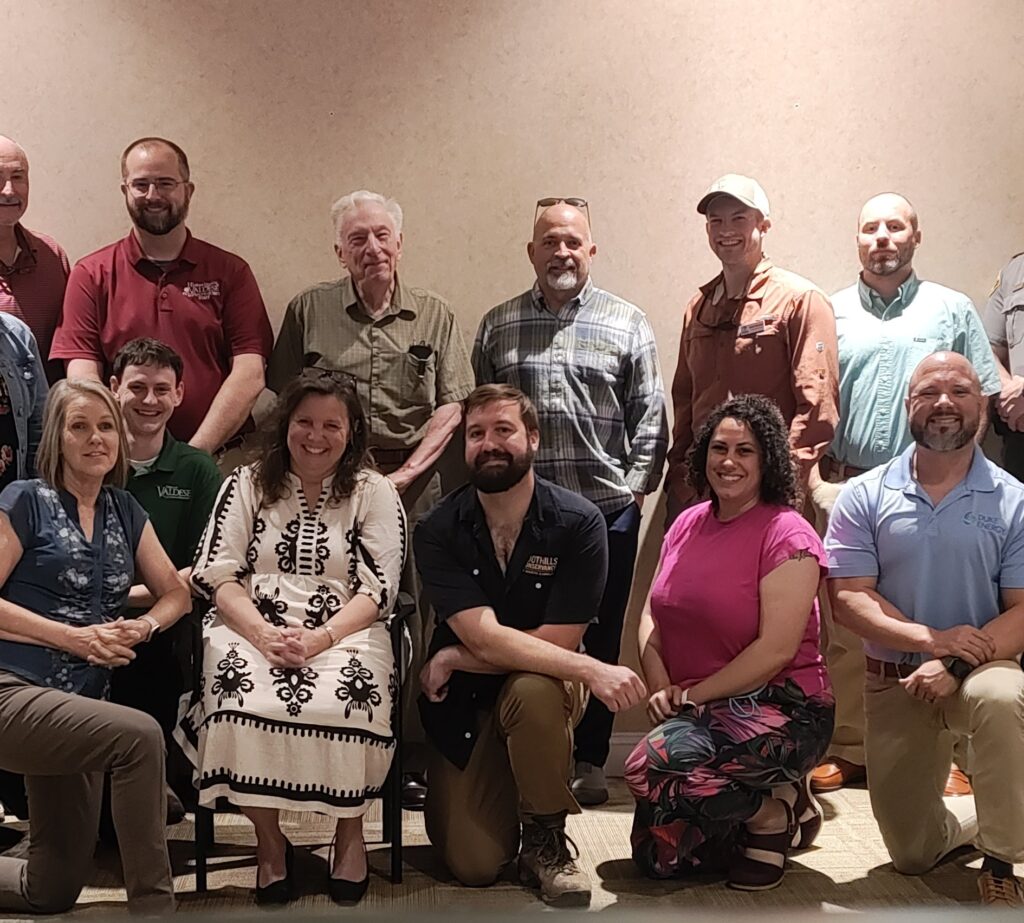

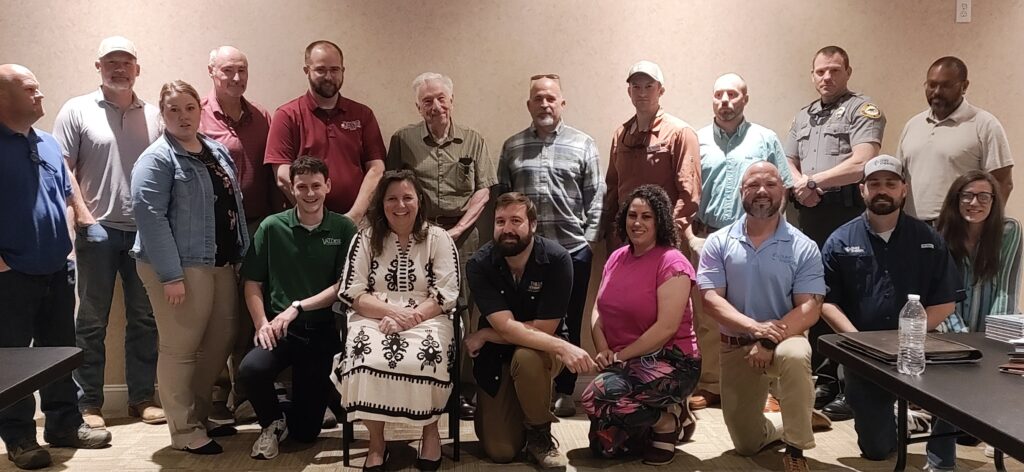
Leaders from across Burke County’s trail, tourism, and outdoor recreation community gathered on April 2 for the fourth Burke County Trails Summit, a collaborative meeting focused on advancing trail development, coordination, and long-term impact.
Organized by the Burke River Trail Association, the Summit brought together representatives from local governments, state parks, nonprofits, and partner agencies including NCDOT, Duke Energy, and Discover Burke County Tourism. The group shared updates, identified challenges, and aligned on opportunities to continue building Burke County’s growing trail network.
With more than 300 miles of trail currently on the ground — and an additional 15 miles anticipated this year — Burke County continues to position itself as a leader in outdoor recreation and connectivity in Western North Carolina.
“Trails don’t happen by accident,” said Beth Heile, Executive Director of the Burke River Trail Association. “They happen because people are willing to come together, share information, and solve problems across organizations. That’s exactly what this Summit is designed to do.”
Trails as Essential Infrastructure
A key theme of the meeting was the recognition of trails as essential services — contributing to quality of life, mental health, transportation options, and even serving as fire breaks in some landscapes.
Participants emphasized the growing role of trails in supporting both residents and visitors, while also strengthening local communities through improved walkability and connections between towns, parks, and natural resources.
Economic Impact and Tourism
Discussion also highlighted the significant economic value of trails and outdoor recreation.
Tourism continues to play a major role in Burke County’s economy:
- 1 out of every $7 spent in Burke County comes from a visitor
- Local taxpayers save an average of $115.29 per person annually due to tourism-related revenue
These impacts help offset public costs, including services such as emergency response, while supporting local businesses and reducing the tax burden on residents.
Safety, Data, and Planning for Growth
Trail partners discussed ongoing efforts to improve safety and better understand trail usage, including the use of trail counters and data tools such as Placer.ai to track visitation.
Agencies and organizations across the county continue to promote safety, preparedness, and responsible recreation through coordinated messaging.
State parks noted that they maintain dedicated medical and fire response teams, while local partners continue to improve coordination around emergency response and trail infrastructure.
Looking Ahead: Events, Investment, and Regional Coordination
As momentum continues to build, several forward-looking initiatives were discussed:
- Planning for a potential Burke Trails Expo or trade show later this year
- Anticipation of results from Duke Energy’s Recreational Use and Needs Study, which is expected to highlight priorities such as parking, restrooms, and river access improvements
- Continued coordination around America 250 programming, including the historic Overmountain Victory Trail
- Ongoing advocacy through the Great Trails State Coalition to secure recurring state funding for trails
- Great Trails State Day is October 17 – events will be taking place on trails all across the county
Participants also emphasized the importance of continued collaboration across agencies and organizations, particularly as trail systems expand and intersect.
Building Momentum Together
The Summit concluded with networking and one-on-one conversations, reinforcing the relationships that make trail projects possible.
By bringing together planners, builders, funders, and advocates, the Burke County Trails Summit continues to serve as a critical platform for turning ideas into action — and ensuring that trails remain a driving force for community development, recreation, and economic growth.
Attendees Represented
Organizations represented included Overmountain Victory National Historic Trail partners, South Mountains State Park, Lake James State Park, Foothills Conservancy of North Carolina, City of Morganton, Town of Valdese, Burke County, Burke River Trail Association, Duke Energy, Discover Burke County Tourism, Carolina Land and Lakes, Catawba Riverkeeper, NCDOT, and the Western Piedmont Council of Governments.