
Why BRTA Supports House Bill 369
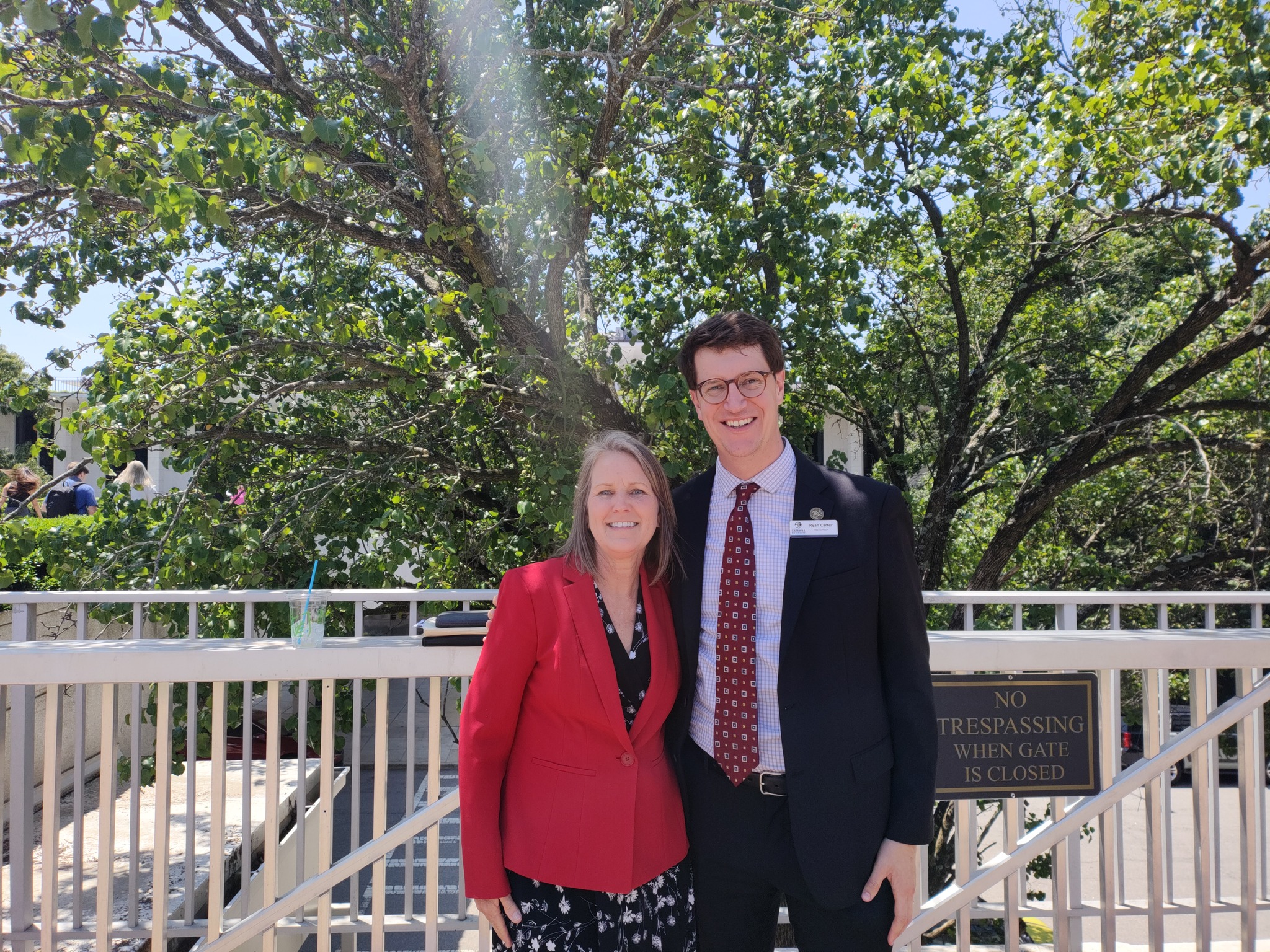
The Burke River Trail Association recently joined a discussion with Ryan Carter of the Catawba Riverkeeper about House Bill 369 – the Parking Lot Reform and Modernization Act, currently being considered by the North Carolina General Assembly.
At first glance, parking requirements might sound like a small zoning detail. In reality, parking rules shape how our towns grow, how much land is paved, and how much polluted runoff reaches our rivers and lakes.
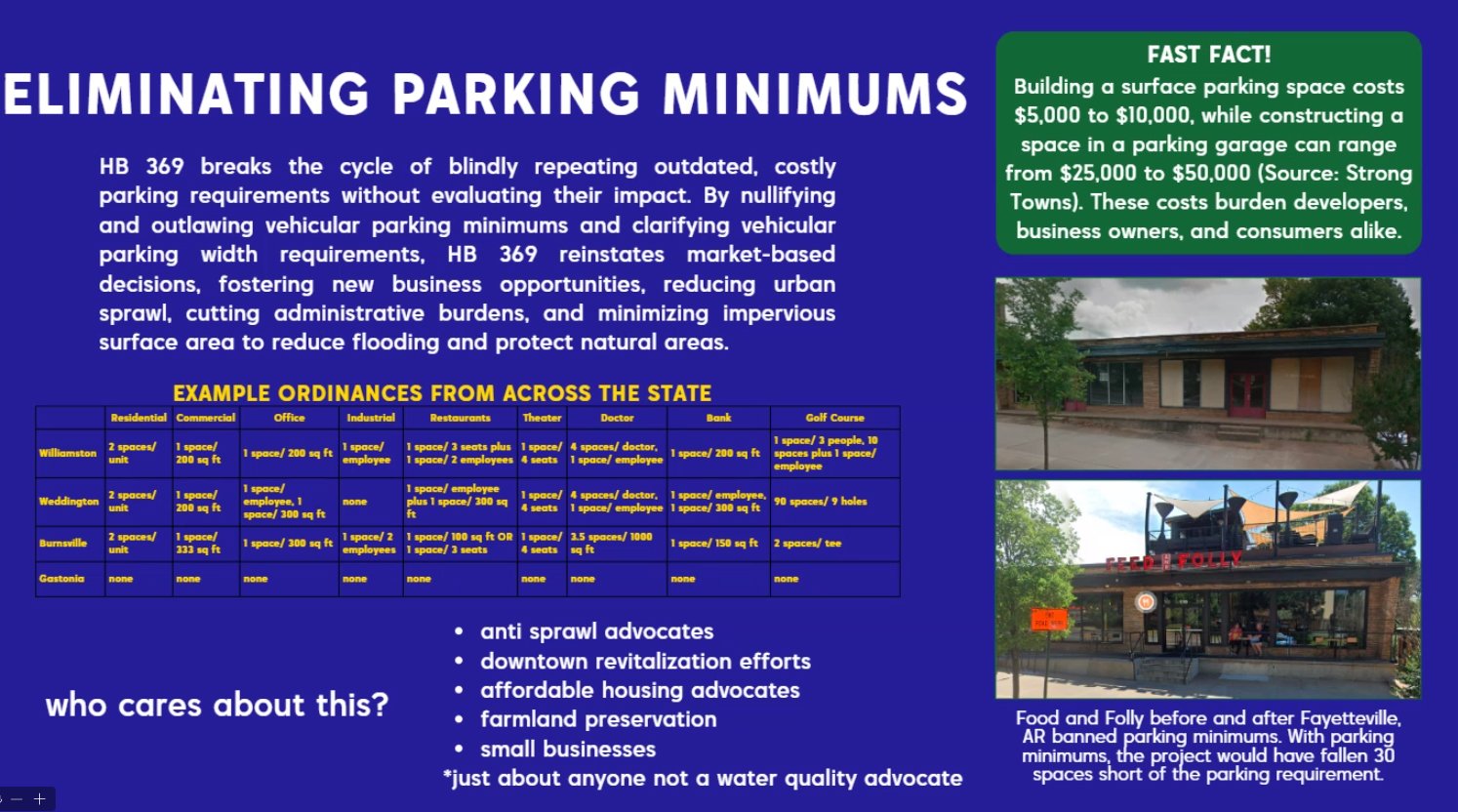
House Bill 369 addresses outdated parking requirements that often force developments to build more parking than they actually need.
The bill does not eliminate parking. Instead, it removes rigid minimum parking requirements and allows property owners and communities to determine the amount of parking that makes sense for their project.
Why Too Much Parking Is a Problem
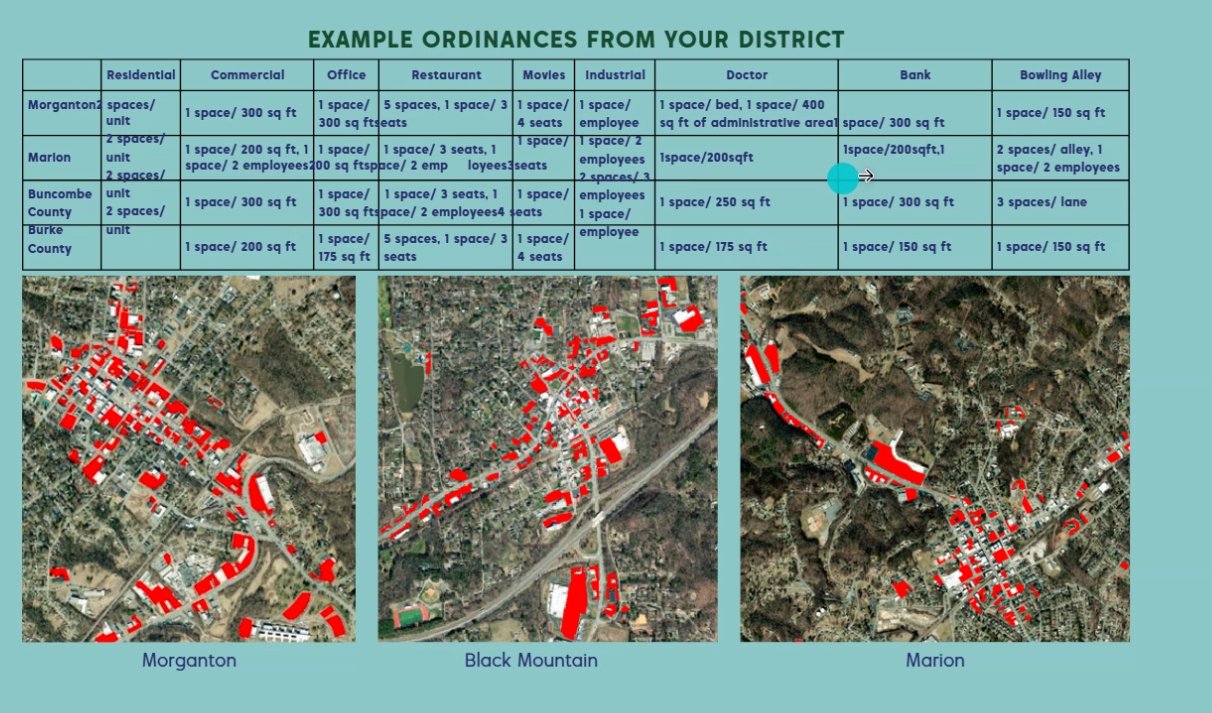
For decades, many local zoning codes have required businesses and developments to build large minimum numbers of parking spaces, regardless of actual demand.
The result is thousands of acres of unnecessary pavement across North Carolina.
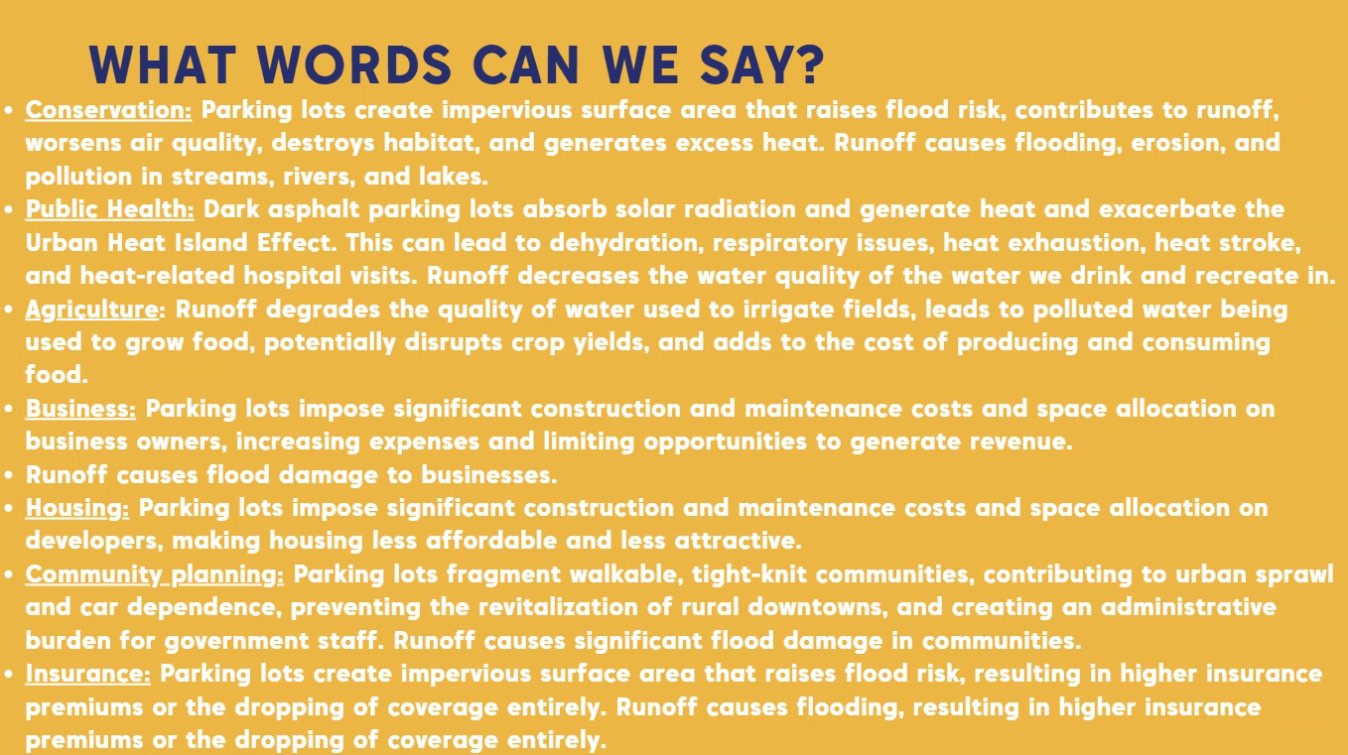
Large parking lots create impervious surfaces, meaning rainwater cannot soak into the ground. Instead, stormwater runs across pavement carrying pollutants directly into streams and rivers.
This runoff contributes to:
• Flooding and stream erosion
• Pollution entering rivers and lakes
• Increased heat in downtown areas
• Degraded water quality in the places we swim, fish, and paddle
For communities along the Catawba River basin, reducing unnecessary pavement is one of the simplest ways to protect water quality.
Why Developers and Housing Advocates Support It
This issue brings together groups that do not always agree — including environmental advocates, developers, and housing organizations.
Parking lots are expensive to build and maintain.
Typical construction costs are estimated at:
• $5,000 – $10,000 per surface parking space
• $25,000 – $50,000 per structured parking space
When zoning requires excessive parking, those costs are passed along to:
• Small businesses
• Housing developments
• Customers and residents
Allowing projects to build parking based on real demand can:
• Reduce development costs
• Support housing affordability
• Encourage redevelopment of older sites
• Allow land to be used more productively
Why This Matters for Trail Communities
For communities connected by the Burke River Trail, land use decisions directly affect the character and health of our towns.
Trail visitors and residents value places that are:
• Walkable
• Connected to downtowns
• Close to outdoor recreation
• Located near clean rivers and lakes
Oversized parking lots work against these goals. They spread destinations farther apart, increase urban heat, and create runoff that pollutes the waterways that make Burke County special.
Smarter parking policies support:
• Healthier rivers
• Stronger downtown revitalization
• Better redevelopment opportunities
• Communities designed for walking, biking, and outdoor recreation
More Than a Trail
The Burke River Trail has always been about more than building a path. It’s about strengthening the connection between healthy waterways, thriving towns, and outdoor recreation.
Policies that reduce unnecessary pavement and improve stormwater management help protect the Catawba River, strengthen trail towns, and support long-term community vitality.
Protecting our rivers and building stronger towns often starts with simple decisions — like how much pavement we require.
How You Can Help
House Bill 369 is currently being considered by the North Carolina General Assembly.
If you believe smarter parking policies can help protect water quality, reduce unnecessary pavement, and support healthier communities, consider sharing your perspective with your state legislators.
Community voices matter when policies affect how our towns grow and how we protect the rivers and landscapes that make Burke County special.
Find your legislators here:
https://www.ncleg.gov/findyourlegislators
These slides are from a talk from Ryan Carter, Catawba Riverkeepes.